Best 115V with a pro install#1
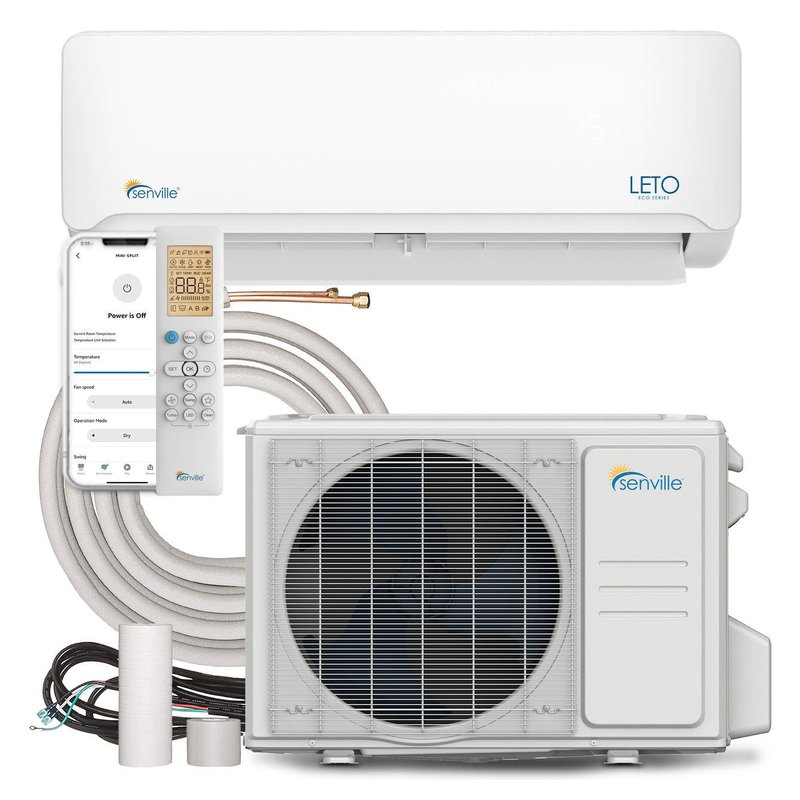
Senville LETO 12K (115V)
A Budget-tier 115V system for buyers who are hiring an installer anyway. Senville’s very low bottom fan setting makes it a natural bedroom candidate, as long as winters stay above its 5°F rating.
Why it stands out
- Brand-rated 21.2 SEER2 on a 115V circuit.
- Brand-rated 17.5 dB indoors at the lowest fan setting and 25 dB on low.
- 5-year parts and 5-year compressor warranty, subject to Senville’s install terms.
Capacity12,000 BTU
SEER221.2
Power115V
Heat rated to5°F
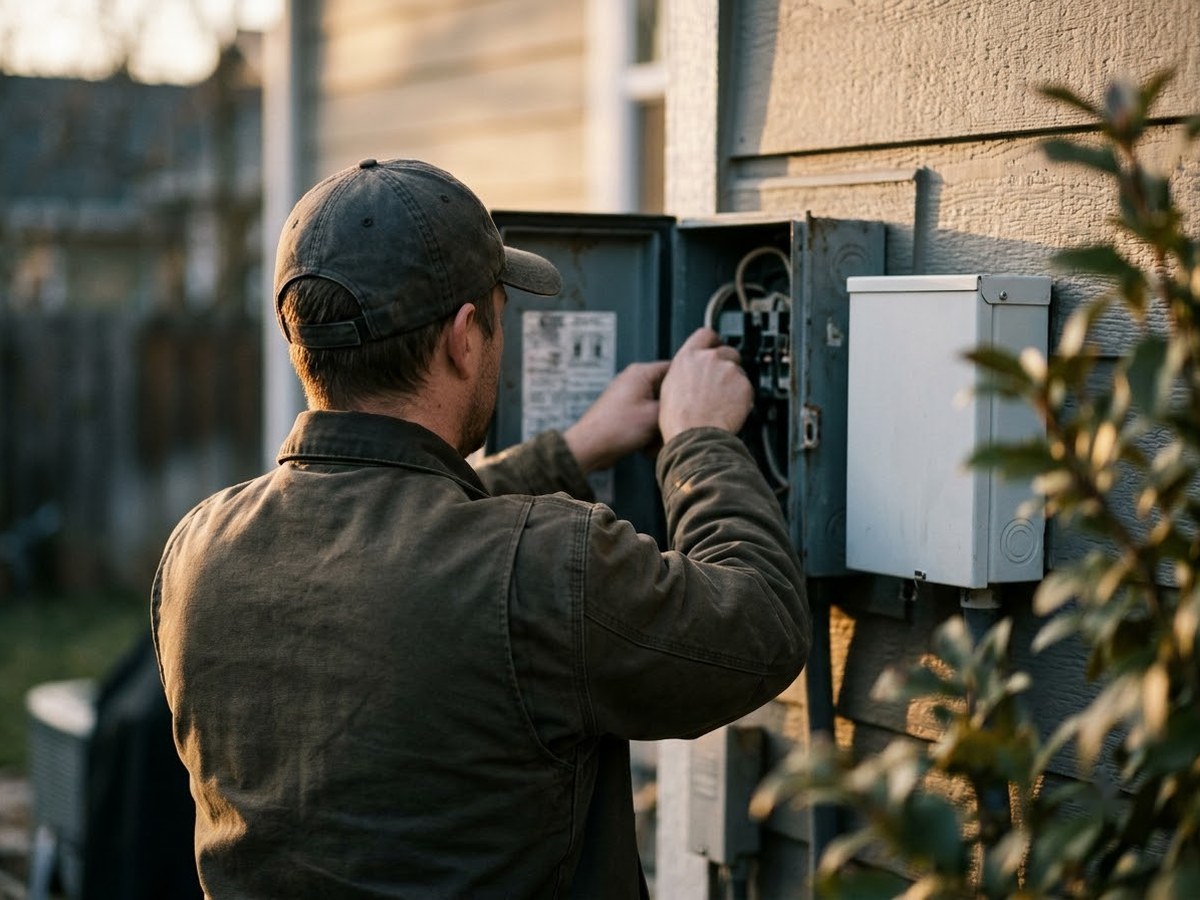
InstallLicensed pro required by the brand
Good fit if
- A bedroom or home office up to about 550 sq ft.
- You already have an installer lined up.
- Winters rarely get near 5°F.
Skip it if
- You plan to install it yourself: Senville says DIY installation voids the warranty.
- Winters regularly go below 5°F.
This listing has been around for years. Senville’s current page shows R-454B; confirm the refrigerant and included kit on the product page.