Best Mini Split AC and Heat · Cold Climates

Best Mini Split for Cold Climates

For cold climates, our top pick is the Senville AURA 12K, rated by the brand to operate down to −22°F, but compare published capacity before you rely on any rating. A rating to run at a temperature is not a promise of full heat there. ENERGY STAR’s cold-climate tier requires only 70% of 47°F capacity at 5°F, and it says pairing with backup heat is most efficient at very low temperatures.

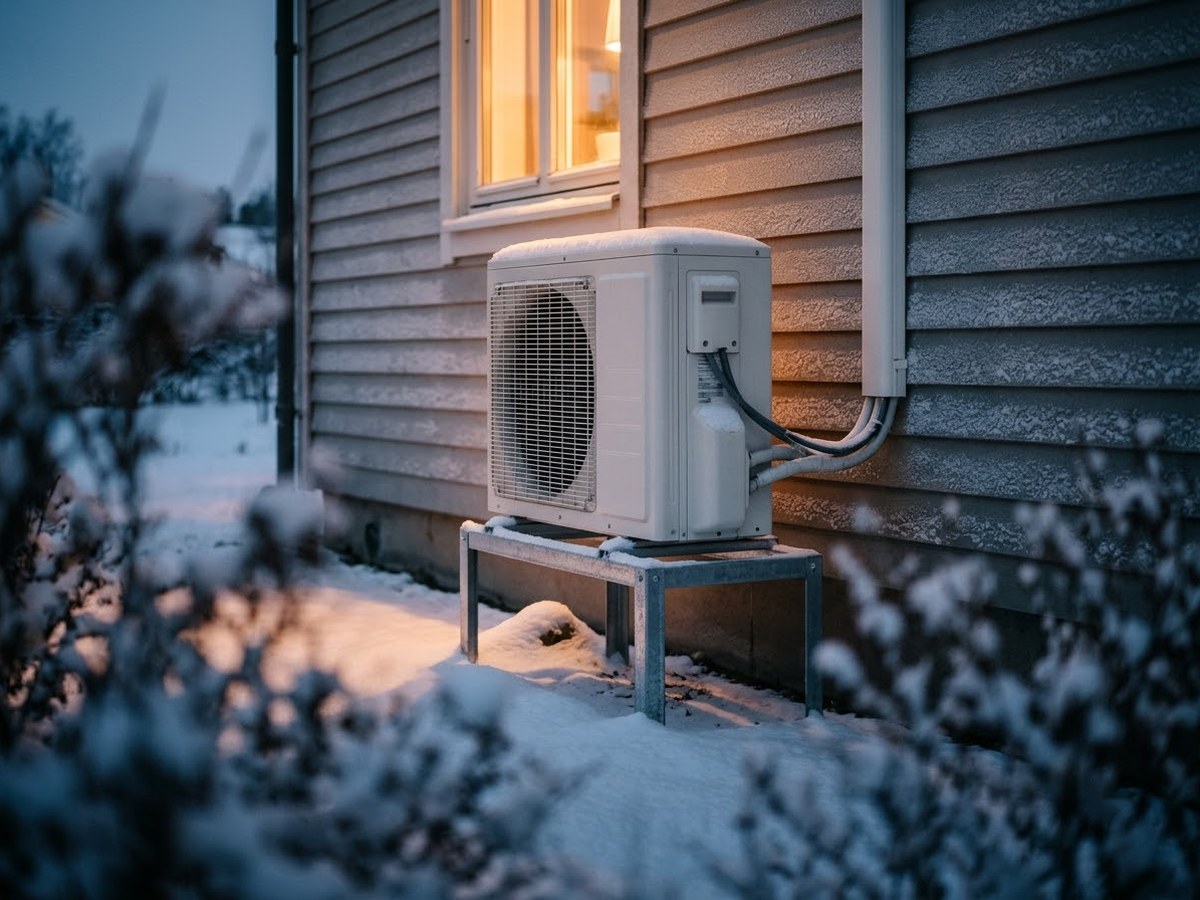
Plain outdoor heat pump unit on a raised stand beside a snowy house wall at dusk

Our top 3

Top picks at a glance

Best cold-climate value#1
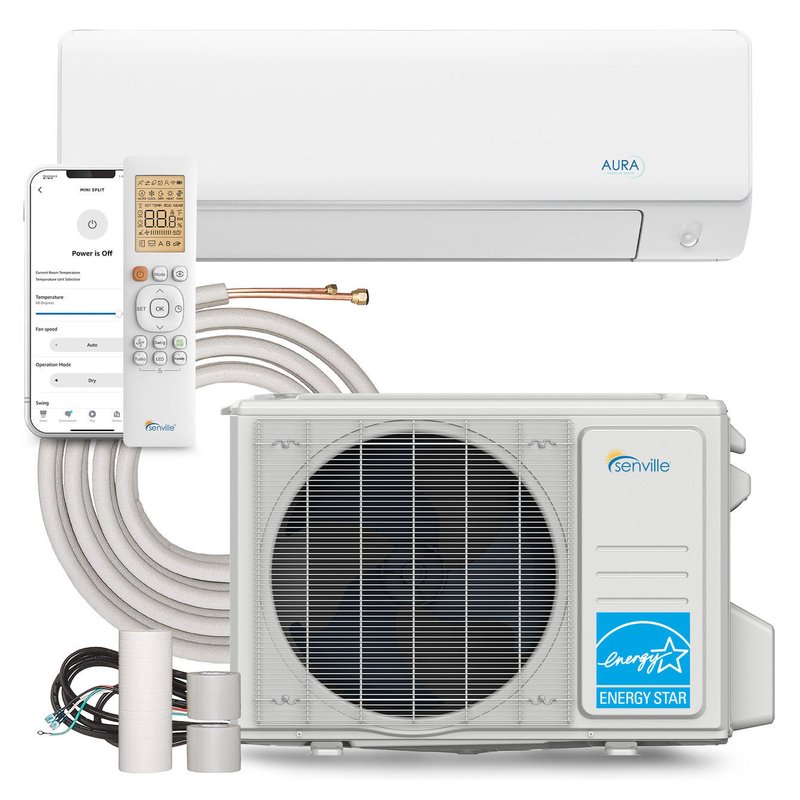
Senville AURA 12K mini split

Senville AURA 12K

Mid-range price range

A −22°F brand rating and a 10-year compressor term at a Mid-range price, with a professional install.

What owners say ›
Best published capacity#2
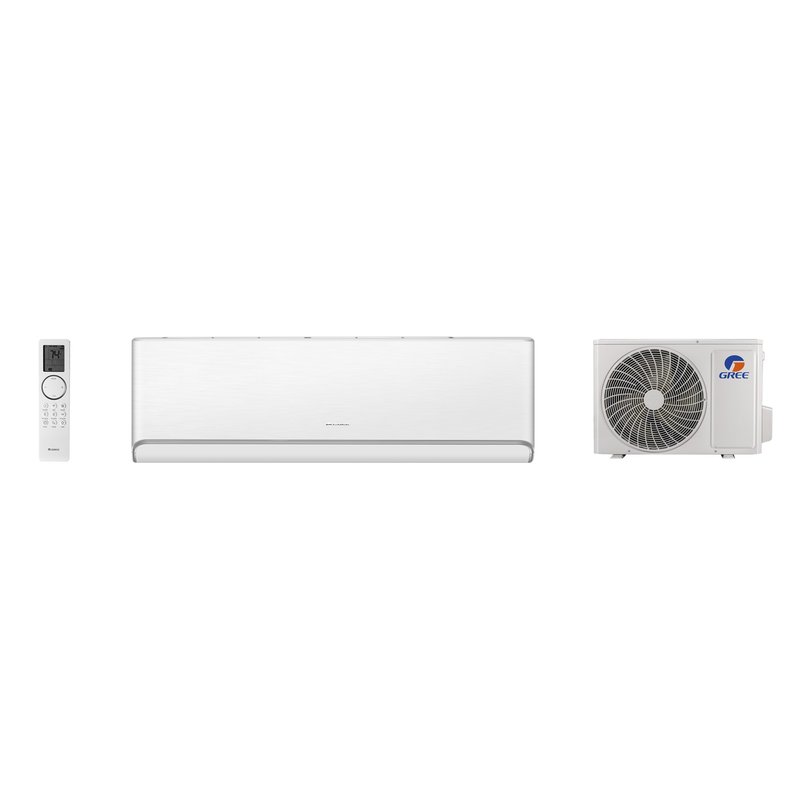
Gree Sapphire 12K mini split

Gree Sapphire 12K

Premium price range

Gree lists 9,758 BTU at −22°F, the only figure this low we could find among our picks.

What owners say ›
Best cold-climate DIY#3
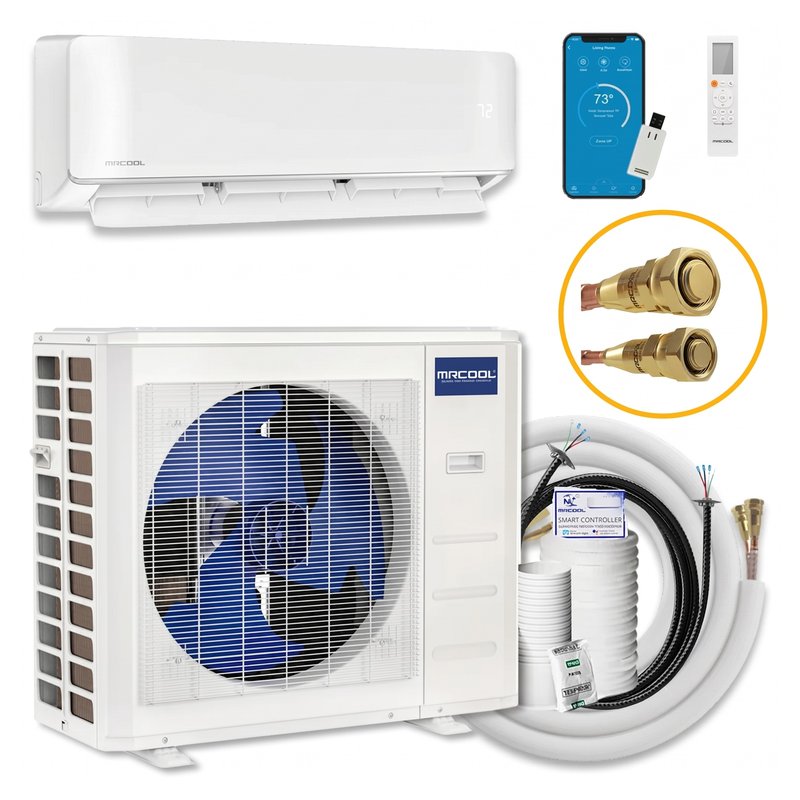
MRCOOL DIY 5th Gen 12K mini split

MRCOOL DIY 5th Gen 12K

Premium price range

A −13°F brand rating with a pre-charged kit, on 115V.

What owners say ›

In detail

Who each one suits

Specifications and ratings are each brand’s own; fit notes draw on ENERGY STAR, DOE and manufacturer documents. We have not tested or used these systems.

Best cold-climate value#1

Senville AURA 12K

The cold-climate pick for one room. Senville rates AURA to operate down to −22°F with a 10-year compressor term. The brand does not publish heating capacity at −13°F or −22°F on this page, so a rating to run at a temperature is not a promise of full heat at that temperature.

Why it stands out

  • Brand-rated heat operation to −22°F; heating range 4,000 to 14,500 BTU per Senville.
  • Brand-rated 25.4 SEER2 on a 208/230V circuit.
  • 5-year parts and 10-year compressor warranty, subject to Senville’s install terms.
Capacity12,000 BTU
SEER225.4
Power208/230V
Heat rated to−22°F
InstallLicensed pro required by the brand

Good fit if

  • One room where you want a −22°F rating, with a professional install.
  • You want a Mid-range price and a long compressor term.

Skip it if

  • You need a published capacity figure for a heat-loss calculation: look at Gree Sapphire.
  • You want to self-install: Senville says DIY installation voids the warranty.
Best published capacity#2

Gree Sapphire 12K

The specification pick. Gree publishes extended heating capacity down to −22°F for this unit, which is rare and which is what a heat-loss calculation needs. It is priced and serviced like contractor equipment.

Why it stands out

  • Gree’s extended table lists 10,603 BTU at −10°F and 9,758 BTU at −22°F at 70°F return air.
  • Brand-rated 28 SEER2 and factory-installed Wi-Fi.
  • Uses R-32; line runs from 10 to 131 ft per Gree.
Capacity12,000 BTU
SEER228
Power208–230V
Heat rated to−22°F
InstallContractor install; service runs through installer

Good fit if

  • You size from a heat-loss calculation and want a published number.
  • A contractor will install and register it.

Skip it if

  • You want to buy it and arrange the install separately: Gree directs warranty service to the installing contractor.
  • You want a low purchase price: it sits in the Premium tier, and Gree does not state an included kit.
Best cold-climate DIY#3

MRCOOL DIY 5th Gen 12K

This is the sensible first system to look at if you are buying online. The kit ships with a 25 ft pre-charged quick-connect line set, the brand rates heating down to −13°F, and MRCOOL states its DIY warranty does not depend on a licensed contractor. You can still hire one, and many buyers should.

Why it stands out

  • Brand-rated 23.5 SEER2 and heat operation to −13°F on a 115V circuit.
  • Longest included line set in the MRCOOL DIY family: 25 ft, pre-charged, with a brand-stated no-vacuum connection.
  • 5-year parts and 7-year compressor warranty per MRCOOL, with no registration required; labor is not covered.
Capacity12,000 BTU
SEER223.5
Power115V
Heat rated to−13°F
Install25 ft pre-charged quick-connect kit

Good fit if

  • One room up to about 550 sq ft (the brand’s figure).
  • You want a warranty that does not rest on a licensed install.
  • You can put in a dedicated 115V, 20A circuit.

Skip it if

  • Price matters most: a professionally installed LETO or Serena costs less to buy.
  • You have no dedicated circuit and no electrician lined up. It does not plug into a wall outlet.

EPA’s published Q&A says connecting pre-charged lines on an R-410A mini split requires Section 608 certification. Some sellers say otherwise for quick-connect kits. This system uses R-454B and we found no EPA statement on such kits, but EPA’s Section 608 page says the rules cover substitutes such as HFCs, so do not assume the R-410A answer leaves it out. Check with EPA and your local code office before you self-install.

Also worth a look

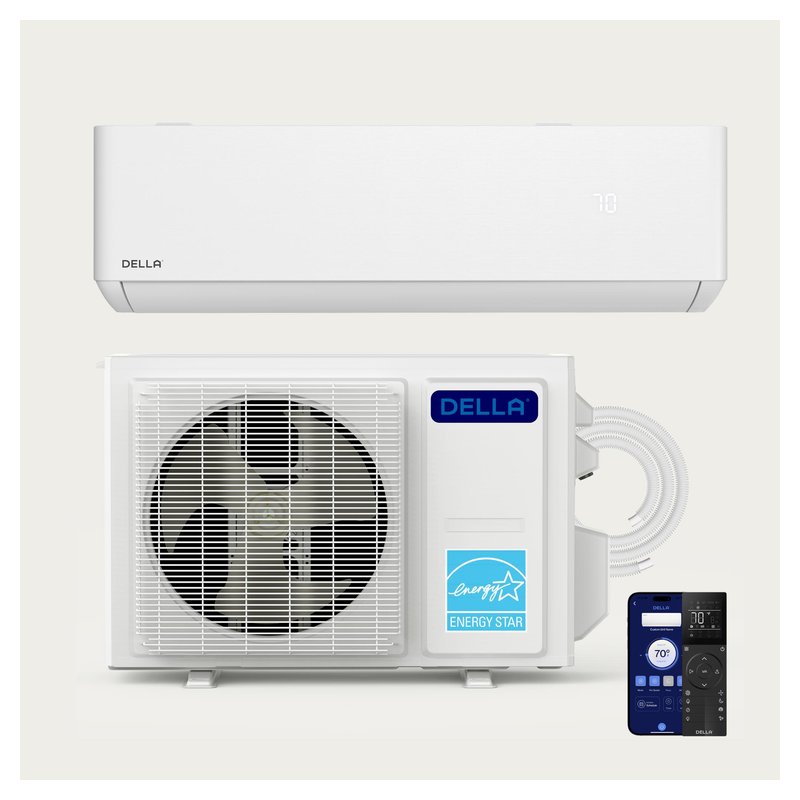
DELLA Optima 12K (115V)

A lower-cost 115V route to a −13°F rating. It is pre-charged but not a no-vacuum kit: DELLA’s FAQ says you need to vacuum the system during installation, so plan on an HVAC technician.

Why it stands out

  • Brand-rated 23 SEER2 and −13°F climate range on 115V.
  • 12,000 BTU cooling and 12,400 BTU heating per DELLA.
  • Lifetime parts coverage if registered within 100 days, per DELLA; non-professional installs get replacement parts only.
Capacity12,000 BTU
SEER223
Power115V
Heat rated to−13°F
InstallPre-charged line; brand says vacuum needed

Good fit if

  • You will have the system vacuumed or hired out.
  • You need cold-weather range on a 115V circuit.

Skip it if

  • You want no vacuum pump: “pre-charged” does not mean no-vacuum here.
  • Your circuit cannot match the brand’s 25A max fuse.
Also worth a look

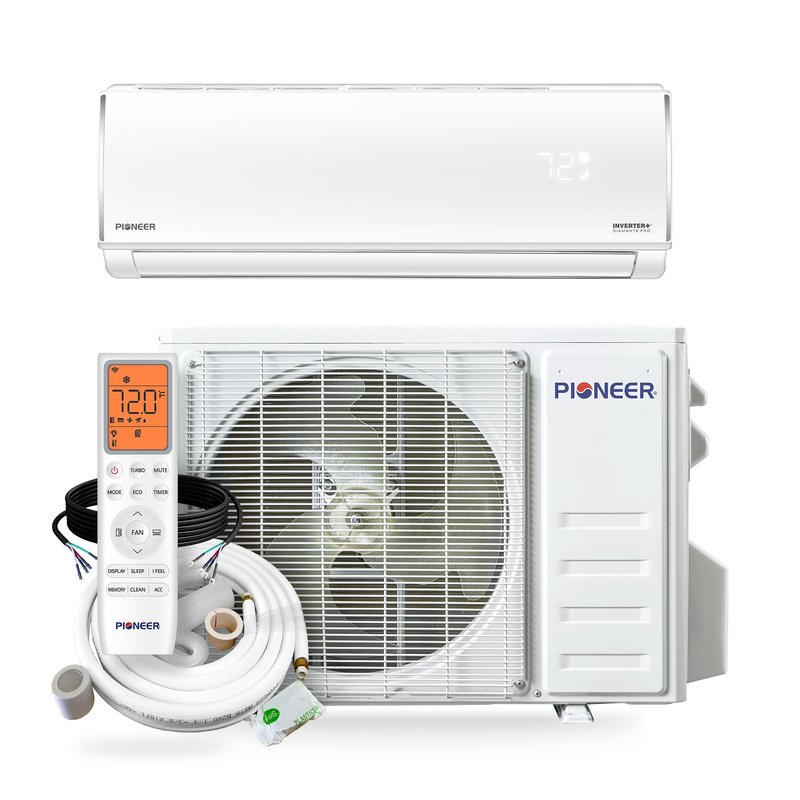
Pioneer Diamante Pro 12K

A Budget-tier single zone with a −4°F rating and, unusually for this price, published low-temperature output: 9,000 BTU at 5°F per its submittal sheet.

Why it stands out

  • Brand-published 10,000 BTU at 17°F and 9,000 BTU at 5°F.
  • Brand-rated 20 SEER2 and heat operation to −4°F.
  • Up to 5 years parts and compressor if installed within 90 days and registered; 1 year parts otherwise.
Capacity12,000 BTU
SEER220
Power208/230V
Heat rated to−4°F
Install16 ft kit; register for the full warranty

Good fit if

  • One room with winters below LETO’s 5°F rating but not past −4°F.
  • You want a capacity figure to size against.

Skip it if

  • Your line run passes the brand’s 50 ft limit.
  • You want app control: Wi-Fi is not listed for this model.
Also worth a look

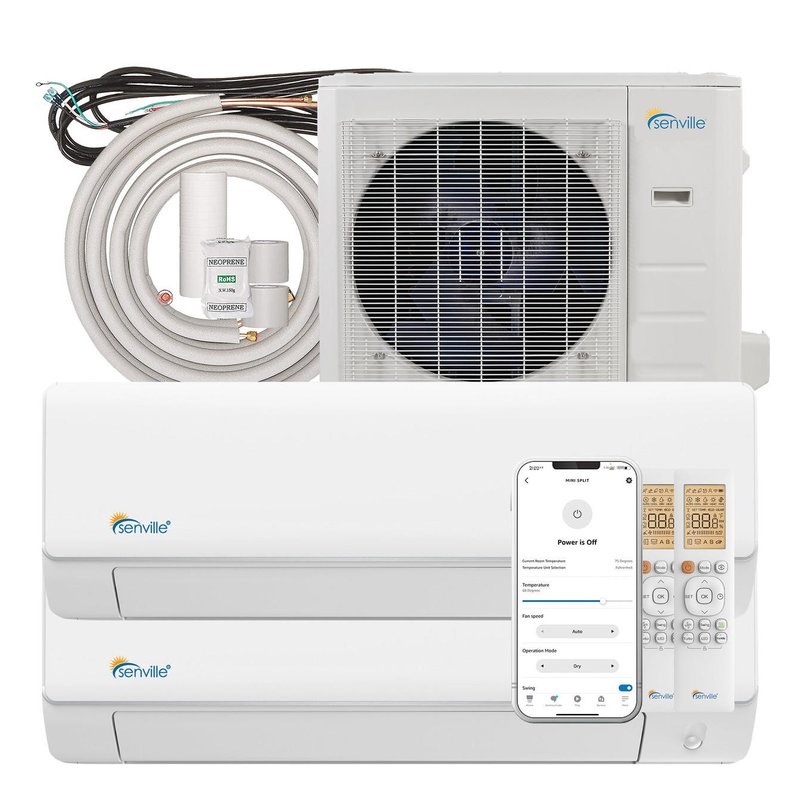
Senville SENA 18K Dual Zone

A two-room system from one outdoor unit, with two 9,000 BTU indoor heads. It suits two small bedrooms that need separate control. Field work has found multi-zone systems can be less efficient, so get a load per room before you commit.

Why it stands out

  • Two 16 ft kits included; pre-charged for 75 ft combined per Senville.
  • Brand-rated 25 SEER2 and heat operation to −22°F.
  • 5-year parts and 10-year compressor warranty, subject to Senville’s install terms.
Capacity18,000 BTU, 2 zones
SEER225
Power208/230V
Heat rated to−22°F
InstallLicensed pro required by the brand

Good fit if

  • Two small rooms that fit one outdoor location.
  • A licensed installer is already part of the plan.

Skip it if

  • One room needs more than 9,000 BTU.
  • The combined line run passes 75 ft, which means adding refrigerant on site.

Is this your main heat?

Size against your design temperature, not the chart, and plan what happens on the coldest nights.

What owners say ›

Tips

Three things that make the difference

01

Ask for capacity at your design temperature

Rated COP falls as it gets colder: a Minnesota report shows one Mitsubishi unit at 3.48 at 47°F and 1.82 at 5°F. Ask for the capacity table, and treat a rating to run as a separate claim.

02

Protect the outdoor unit

Mitsubishi says to protect the outdoor unit from snowfall with a canopy, pedestal or baffle boards. ACHR News says to mount it 2 to 4 inches above the expected snow line, and keep condensate from creating a slip hazard.

03

Hold a steady temperature

ENERGY STAR says heat pumps do not save by setback the way furnaces do, and Efficiency Vermont slides say deep setbacks cause long recovery in the least efficient mode.

Honest note

Field results have been humbler than spec sheets. A DOE-backed study of seven Northeast homes measured winter COP from 1.1 to 2.3, and a Brookhaven report found 24-hour COP well below steady-state figures. Those units pre-date the newest cold-climate models, but do not size a home with no backup on a brochure number.

FAQ

Questions people ask

What temperature is too cold for a mini split?

It depends on the model. A retailer says standard heat pumps work down to roughly 20–25°F, while cold-climate models are rated to −13°F or −22°F. In our picks, ratings run from 5°F for LETO to −22°F for AURA and Sapphire. Output falls as it gets colder, so check capacity too.

Which mini splits are rated to −22°F?

Among our picks, Senville AURA, Senville SENA multi-zone and Gree Sapphire carry −22°F ratings. Among contractor brands, ACHR News reports Mitsubishi’s H2i and Fujitsu’s Orion XLTH+ making low-temperature claims. Those are manufacturer statements, and Gree is the only one here whose capacity we could read at that temperature.

What does ENERGY STAR Cold Climate mean?

It is a certification with set minimums. For non-ducted split systems, ENERGY STAR requires at least 8.5 HSPF2 and 15.2 SEER2, plus COP of at least 1.75 at 5°F and heating capacity at 5°F of at least 70% of capacity at 47°F. Confirm it for your exact pairing.

What is the NEEP cold-climate list?

It is a product list run by the regional group NEEP. Listing is fee-based, at $5,000 to $18,000 a year by product count, so a model missing from the list has not necessarily failed. NEEP has proposed a new version of its specification, so check the current one.

Do I need a base pan heater?

In freezing climates, it is worth checking. Fujitsu’s factory heater activates below 36°F to stop condensate freezing, and a Mitsubishi brochure says low ambient conditions may require one on some models. A DOE deck measured 260 W running up to half the time, so they use real power.

Can a mini split be my only heat source in a cold climate?

Sources disagree. ENERGY STAR says backup is most efficient at very low temperatures, Fujitsu says it is not required if its steps are followed, and METUS says a supplemental source may be recommended in extremely cold regions. One Minneapolis home met over 90% of its annual load, with an 18 kW booster covering the rest. Ask for a load calculation.

Pick for your coldest week, not your average one

Want the full picture? See all our best mini split ac and heat, compared by room and climate, and the FAQ on sizing, install rules and cost.